Rolex and the Changing Language of the Dial
The visual identity of fine watchmaking was defined by restraint. Black, silver, and deep blue dials dominated collections, valued for their versatility and timeless appeal. These colors remain foundational, but over the past several years the industry has undergone a noticeable shift. Color – once reserved for niche references or limited editions – has become a central design language in contemporary watchmaking. 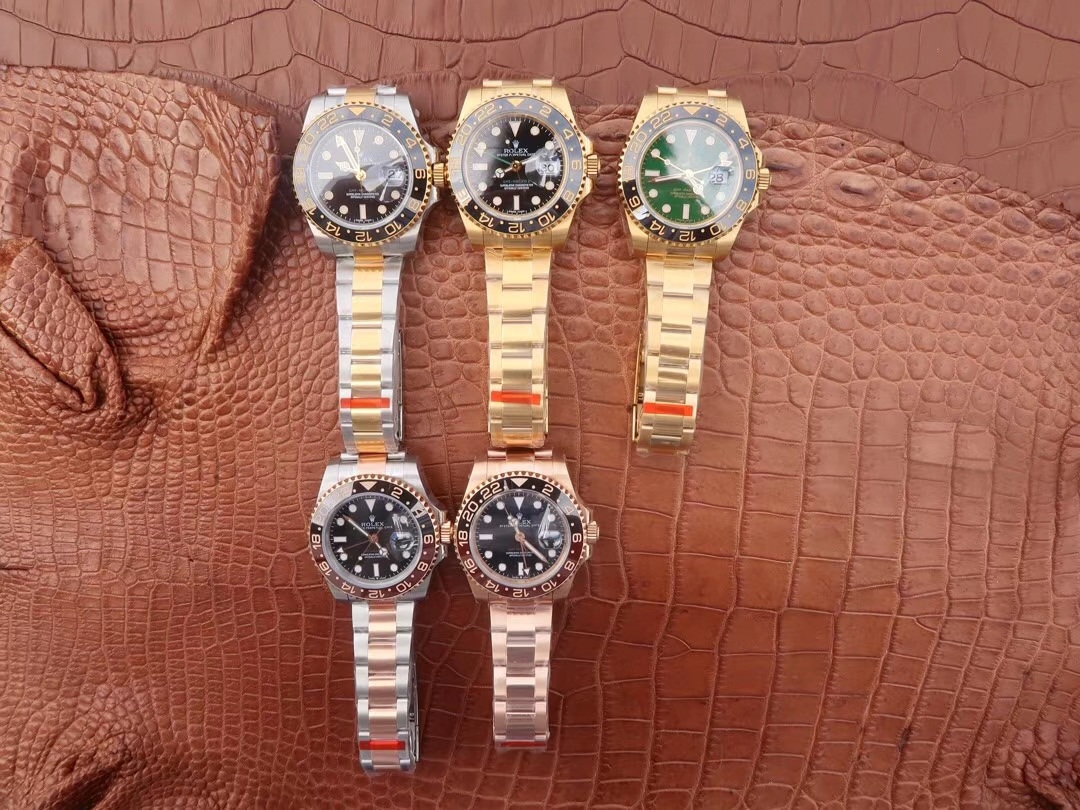
This change reflects more than fashion alone. As mechanical replica watches have moved further from pure utility and deeper into the realm of personal expression, dial color has become an increasingly important means of differentiation. What was once considered bold or unconventional is now widely accepted, even among traditionally conservative brands. Rolex, often seen as a guardian of continuity, has played a quiet but influential role in legitimizing this transition.
The turning point came in 2020 with the release of the Oyster Perpetual models featuring bright lacquer dials in yellow, pink, turquoise, and green. These watches did not replace Rolex’s classic offerings, but they challenged expectations of what a modern Rolex could look like. Their immediate popularity demonstrated that collectors were ready to embrace color not as a novelty, but as a defining feature.
Several forces have contributed to this broader shift. In an increasingly digital and uniform world, colorful dials offer individuality and emotional resonance. At the same time, renewed interest in mid-century design has brought back appreciation for the playful palettes of earlier decades. Advances in materials and manufacturing – particularly in lacquer finishes and ceramic components – have also allowed brands to achieve levels of depth and consistency that were previously difficult to maintain at scale.
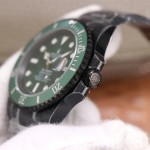
Among the many hues now shaping the market, green has emerged as one of the most prominent. Once used sparingly, it has become a staple across price segments and complications. Rolex’s use of green has evolved from subtle accents to full expressions, most notably with the introduction of a green ceramic dial on the white-gold GMT-Master II. The choice underscored how color can signal both luxury and technical confidence, rather than detract from it. Other manufacturers, from IWC to Patek Philippe, have similarly adopted green in ways that feel deliberate and mature, reinforcing its status as a modern classic. 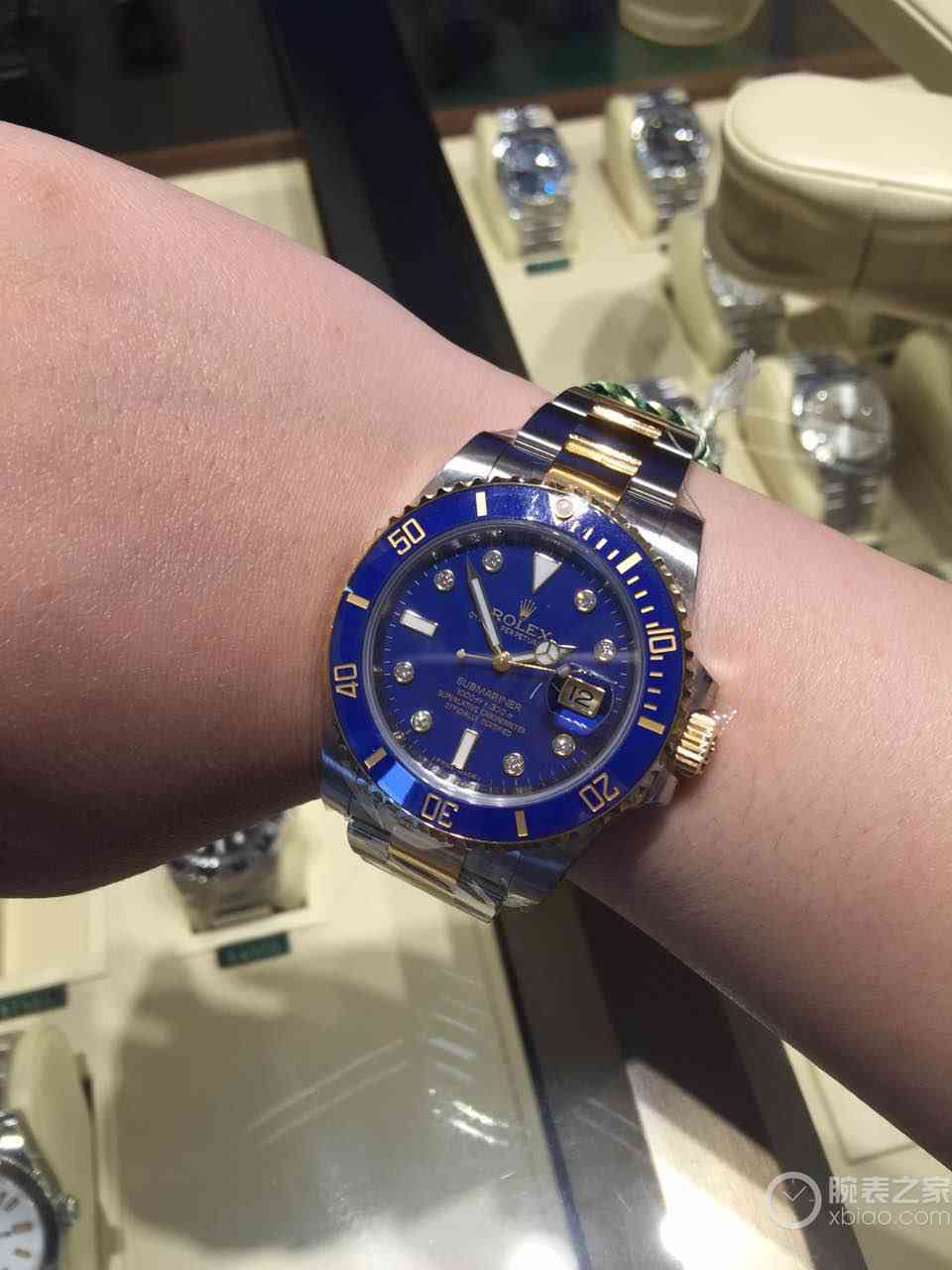
Brighter tones such as yellow and orange occupy a different but equally important role. These colors emphasize optimism and clarity, often paired with simple, time-only designs that allow the dial to take center stage. Rolex’s yellow Oyster Perpetual models exemplify this approach, demonstrating how a straightforward steel watch can gain a distinct identity through color alone. Comparable interpretations from brands like Omega show that vibrancy does not require excess, only balance.
Light blue shades – often compared to the signature color associated with Tiffany & Co. – have become particularly influential. Their appeal lies in their ability to feel contemporary without being aggressive, fresh without sacrificing versatility. While the phenomenon reached its cultural peak with an ultra-limited Patek Philippe Nautilus, Rolex’s turquoise Oyster Perpetual models were instrumental in bringing this tone into the mainstream. These dials proved that soft color could coexist with mass production while still retaining desirability.
At the more understated end of the spectrum, salmon dials continue to hold a special place among experienced collectors. Historically linked to limited production and formal complications, salmon conveys warmth and refinement rather than immediacy. Its gradual adoption by a wider range of brands reflects a growing appreciation for nuanced color. Modern interpretations, from Breitling to Patek Philippe, show how this traditionally vintage tone can feel relevant without losing its character.
Deep reds and burgundy tones represent perhaps the most dramatic use of color today. Difficult to execute well, these shades demand careful attention to finish and contrast. When done successfully, they offer depth and presence without appearing loud. Recent examples from brands such as Jaeger-LeCoultre, TAG Heuer, and Tudor illustrate how rich reds can transform familiar designs, adding emotional weight and visual distinction.
Taken together, these developments point to a broader conclusion: color is no longer peripheral in watch design. It has become an essential tool for storytelling, identity, and modern relevance. Replica Rolex’s measured but impactful adoption of bold dials has helped normalize this evolution, encouraging both established houses and newer brands to explore a wider visual vocabulary. 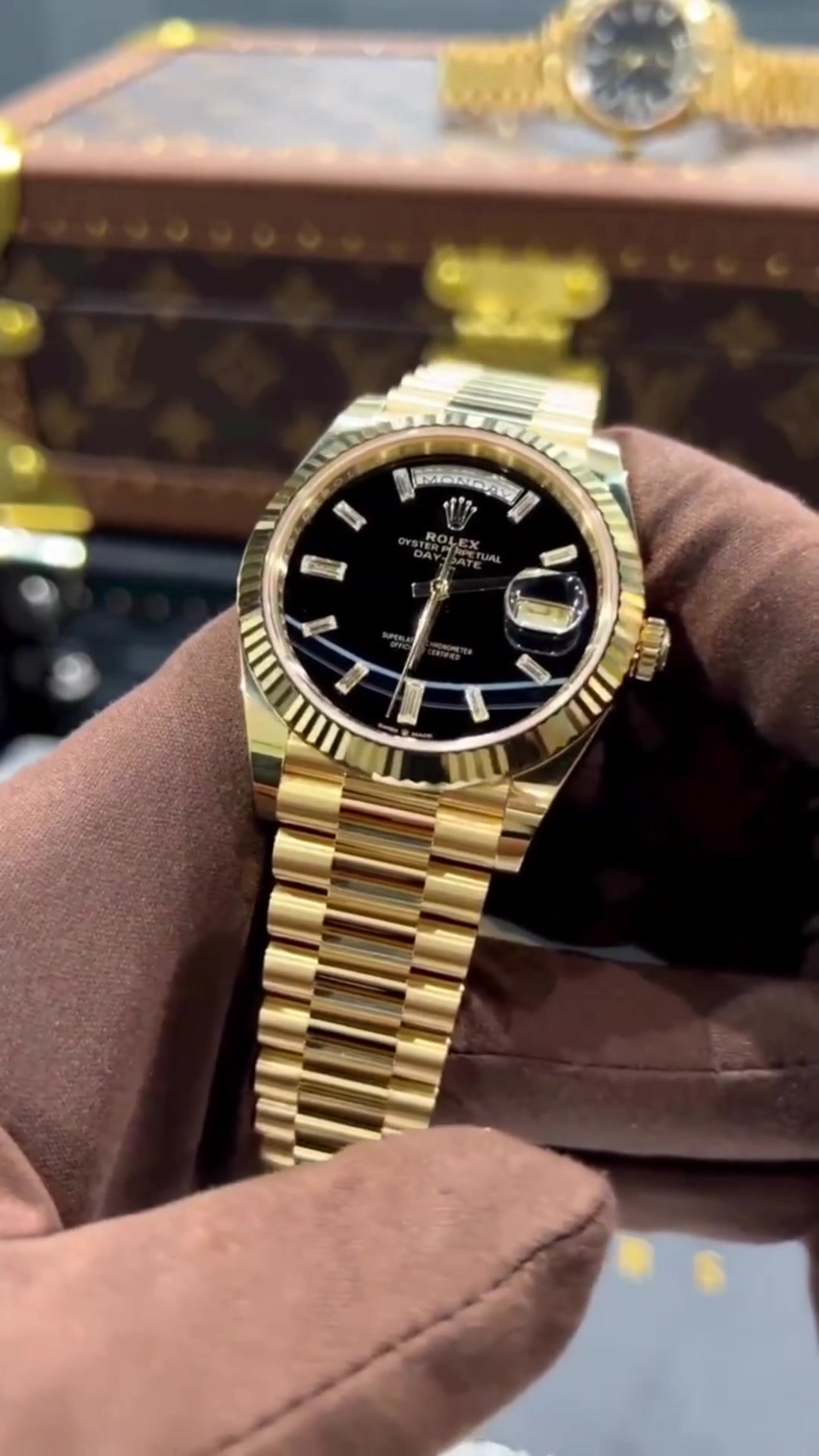
Rather than signaling a departure from tradition, the rise of color suggests a redefinition of it. In contemporary watchmaking, restraint and expression are no longer opposites. They coexist – sometimes on the same dial – reflecting an industry that is increasingly comfortable balancing heritage with change.